

Turn your liability into a doggie again

Public liability insurance for dog owners
20th April 2017
How to save money on your premium
4th May 2017
Last week we shared an interesting blog that revealed the importance of liability insurance especially when it comes to dog bites. A dog behaviourist, Bernice Jaffe stated that dogs aren’t born dangerous, but rather become dangerous when they’ve been trained badly.
The best way to protect yourself from public liability is to nip the problem in the bud before it even becomes a problem. Here are 7 great and gentle tips to turn your liability into a doggie again.
1. Don’t respond with violence
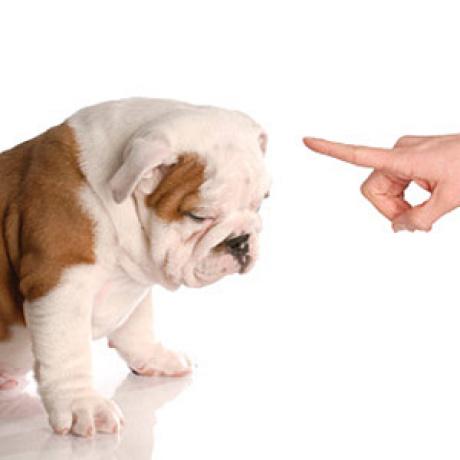
Aggression only breeds aggression, and aggression doesn’t teach friendliness, so if your dog does bite, don’t hit her out of anger or punish her with forceful response. Dogs are very sensitive to emotions and they can sense anger in the atmosphere and that anger only entices a dog that much more.
Instead, teach the dog from puppy-age, unless you’ve adopted the dog as an adult, then keep calm and go back to identifying the source of the dog’s insecurities or contact a dog behaviourist.
2. Introduce them to dog-friends
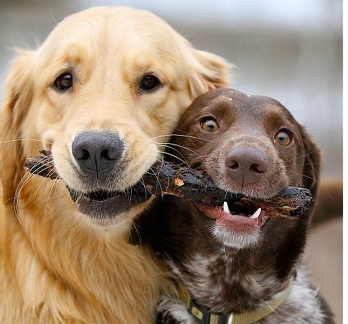
In South Africa, especially Durban, most dogs have an entire garden to roam, so taking them on walks or visiting the park is unusual. As unusual as it is, this is where most dogs learn to socialise. Teaching dogs to socialise with other dogs is an important step in preventing dog bites. Many times, dogs act out in aggression, because they are insecure and/or uncomfortable with the situation, but the more they meet unfamiliar dogs and people, the more comfortable they will be in the future. This doesn’t mean you dog will be a bad guard dog. We know how important it is to have a great guard dog in South Africa. It just means it won’t attack every living creature in the property for no reason.
Teaching your dog to look at you when they meet a new creature can be very helpful, as it enables you to reassure them that the situation is okay, you’re okay and they’re okay. Your dog will learn to be calm in a new situation simply because you’re calm.
3. Start from young
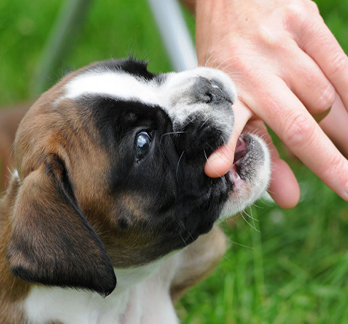
Much like human babies, puppies nip and bite too. The best way for them to learn and explore their new world is with their new mouths. As a dog owner, it’s important to teach puppies that any form of contact from their teeth with human skin or clothes is intolerable, even if it’s during play.
It’s not helpful to hit dogs when they nip. Like we previously mentioned, aggression doesn’t teach friendliness. It’s better to stop playing with the puppy and give it no attention when it plays in an unacceptable manner. Repeating this action trains the puppy not to bite playfully, as this can lead to accidents when they’re older and stronger.
4. Desensitise your dog

Often, when dogs are afraid they act out in aggression. It’s both necessary and helpful to highlight the source of your dog’s fears and desensitise them. Just as you’d do with socialising them, you’d show them that there is nothing to be afraid of when it comes to their fear, and that the situation is okay, you’re okay and they’re okay.
5. Know your dog
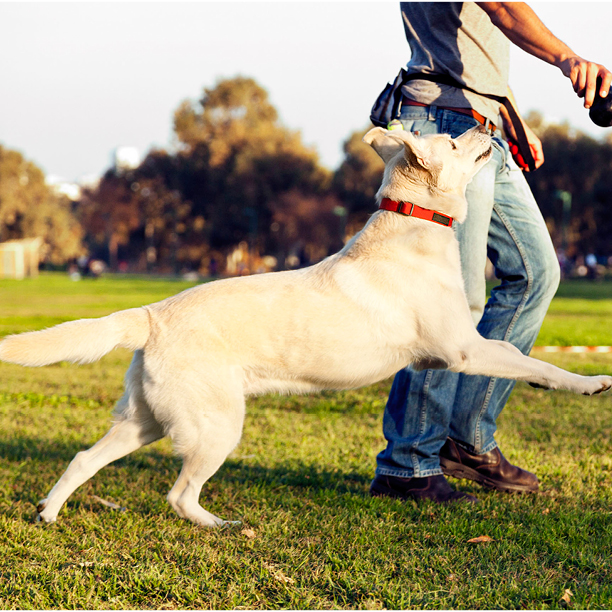
Just like people, some dogs don’t like socialising at times (some even at all) and some dogs always. Knowing your dog’s personality can help you prevent it from being in situations he/she doesn’t like.
For example, if you know your dog doesn’t like being pet by strangers, let that person know your dog may be uncomfortable with them, and wait for your dog to initiate contact.
6. A visit to the vet
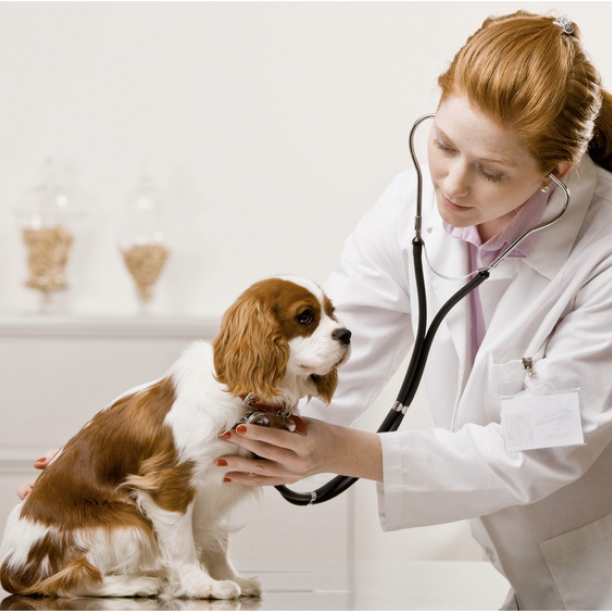
Is your dog acting aggressively or acting uncharacteristically? There is a change they might be in pain or suffering from a hormonal or chemical imbalance all of which trigger aggression. Your vet will be able to cure that which is causing them to act in an unusual manner.
7. Always supervise dog and child play
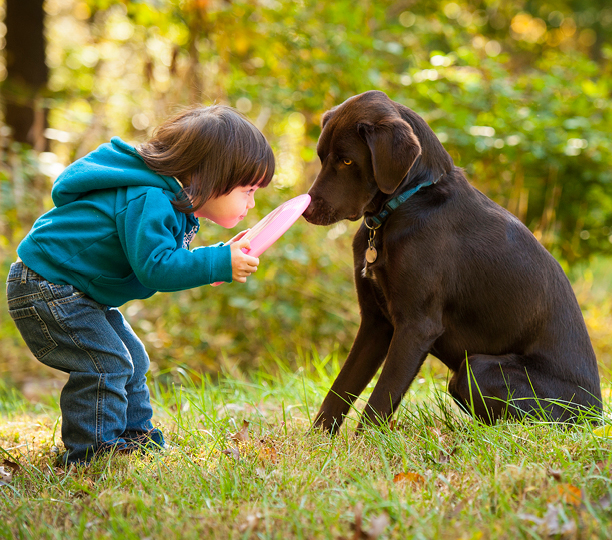
Regardless of how good a dog is, never leave a dog unsupervised when it’s around children. Some things just trigger a dog, and as adults we can identify when a dog is getting upset. It is possible that sudden movements and acts of affection can frighten or upset a dog, causing them to react badly.